GRACE DENTAL STUDIO
Dental Implant Complications in Mexico: Causes and What to Do
Dental implants are one of the most predictable procedures in modern dentistry. When placed under proper planning and clinical protocols, success rates are consistently above 95 percent worldwide. Still, many patients considering dental implants in Mexico worry about one question: what if something goes wrong?
It is important to be honest. Complications are uncommon, but they can happen. The difference is not whether complications exist. The difference is how they are prevented, diagnosed and managed.
In this article, we will explain what dental implant complications really are, why they sometimes occur, whether implant failure is common in Mexico, and what can be done if an implant does not integrate as expected.
What Are Dental Implant Complications?
A dental implant complication occurs when the implant does not integrate properly with the bone or when problems develop during healing or long term maintenance. Most complications fall into two general categories.
Early complications typically happen within the first few months after placement. These are often related to healing, infection or failure of the implant to fuse with the jawbone. Late complications may appear years later and are usually associated with infection around the implant, excessive bite pressure, or progressive bone loss.
The most common biological issue is failed osseointegration. This means the implant does not bond firmly with the bone. Without that integration, the implant may become mobile and require removal.
It is important to understand that complications are not automatically the result of poor treatment. Biology varies from patient to patient. Smoking, uncontrolled diabetes, insufficient bone density and poor oral hygiene can all increase risk, even when the surgery is performed correctly.
If you are still evaluating whether implants are right for you, you can read our complete guide to dental implants in Mexico.
Why Do Dental Implants Sometimes Fail?
Dental implant failure is usually related to one of three main factors: biology, planning or post operative care.
Biological factors include poor bone quality, smoking during healing, uncontrolled medical conditions or infection known as peri implantitis. Peri implantitis is an inflammatory condition that affects the tissues surrounding the implant. If not treated, it can lead to bone loss and instability.
Is Implant Failure Common in Mexico?
This is one of the most frequent concerns among international patients.
The short answer is no. Dental implant success rates in Mexico are comparable to those in the United States and Canada when treatment is performed by experienced specialists using modern protocols.
At reputable clinics in Los Algodones, procedures typically include 3D imaging, guided surgery and strict sterilization standards. The country itself does not determine success. Training, experience and case selection do.
If you want to understand how implants work from start to finish, including candidacy and procedure steps, you can review our article: How to Know If You Need Dental Implants in Mexico.
What Happens If a Dental Implant Fails?
Hearing the word failure can sound alarming, but in most cases, a failed implant can be corrected.
If an implant does not integrate, the standard protocol usually involves removing the implant carefully, allowing the area to heal, and reassessing the bone. If bone loss occurred, a bone graft may be recommended before placing a new implant.
After proper healing and planning adjustments, a new implant can often be placed successfully. Implant failure does not automatically mean permanent damage. It means reassessment and proper management.
For patients considering full arch restorations such as All on 4, planning becomes even more critical. You can read more about that here: Full Mouth Dental Implants in Los Algodones: A Complete Smile Transformation.
How to Reduce the Risk of Implant Complications
While no medical procedure is completely risk free, patients can significantly reduce risk by choosing an experienced implant specialist, completing recommended preparatory treatments, and strictly following post operative instructions.
Stopping smoking before and during healing dramatically improves integration rates. Managing systemic conditions such as diabetes is equally important. Long term maintenance with regular professional cleanings also protects implant health.
If you are comparing implants to other options like dentures, understanding long term stability can help clarify your decision.
When Should You Be Concerned?
Mild swelling and discomfort are normal in the first days after surgery. However, persistent swelling after healing, increasing pain, implant mobility, gum recession around the implant or signs of infection should always be evaluated.
If something feels unusual, it is better to schedule a professional evaluation rather than wait. Early intervention prevents small problems from becoming major ones.
Dental Implant Complications Are Uncommon, But Preparation Matters
Responsible dentistry is not about promising perfection. It is about transparency, preparation and experience. When implants are placed under proper diagnostic protocols and monitored correctly, they remain one of the safest and most predictable solutions for tooth replacement.
Complications are possible anywhere in the world. What truly matters is choosing a clinic prepared to prevent them and manage them properly if they occur.
If you are considering dental implants in Mexico and want a personalized evaluation, our team at Grace Dental Studio is ready to guide you through every step.
Dental Implant Complications: What Happens If Dental Implants Fail?
Dental implants are one of the most predictable and successful procedures in modern dentistry. In fact, their long-term success rate is consistently above 95% when performed under proper planning and surgical protocols.
However, like any medical procedure, complications can occur.
When patients hear the words “implant failure,” fear is often the first reaction. But it’s important to understand something clearly: complications are not always the result of negligence, poor technique, or low-quality treatment. In many cases, they are biological responses that can happen anywhere, in the United States, Canada, or Mexico.
The key is not whether complications are possible. The key is how they are handled.
What Are Dental Implant Complications?
Dental implant complications occur when the implant does not integrate properly with the bone or when issues develop during the healing or long-term maintenance phase. There are generally two types:
Early complications, which happen within the first few months after placement.
Late complications, which may occur years later.
Early complications are often related to healing. Late complications are typically associated with infection, bone loss, or excessive force over time.
Why Do Dental Implants Sometimes Fail?
The most common reason for implant complications is failed osseointegration, the biological process where the implant fuses with the jawbone.
Several factors can influence this:
-
Insufficient bone density
-
Smoking during healing
-
Uncontrolled diabetes
-
Infection (peri-implantitis)
-
Excessive bite pressure
-
Inadequate oral hygiene
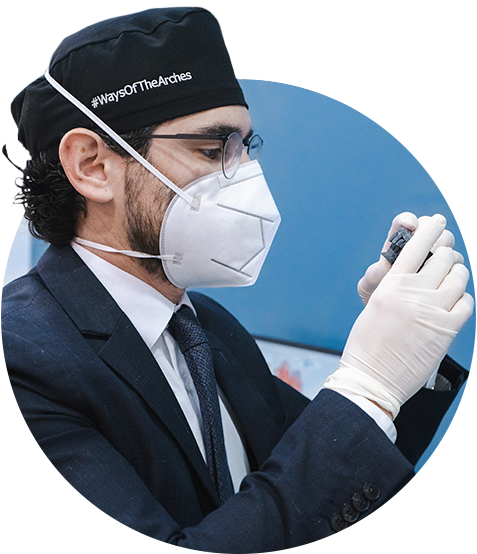
Sometimes the implant simply does not integrate, even when everything appears to have been done correctly. Biology can be unpredictable. And that’s exactly what Dr. Nestor Marquez explains in this video.
This is why proper diagnostics, including 3D CBCT scans and detailed treatment planning, are essential before placing implants.
Is Implant Failure Common in Mexico?
No. Dental implant success rates worldwide are between 95% and 98% when performed by experienced professionals.
At reputable clinics in Los Algodones, Mexico, protocols are the same as those used in the United States:
-
3D CT scans
-
Guided implant surgery
-
Sterile surgical environments
-
High-quality implant systems
-
Strict case selection
The key factor is not the country. It’s the experience and planning behind the treatment.
What Happens If a Dental Implant Fails?
In most cases, a failed implant can be corrected. The standard protocol typically includes:
- Removing the implant safely
- Allowing the area to heal
- Performing bone grafting if necessary
- Placing a new implant after healing
Implant failure does not mean permanent damage. It means reassessment and proper management.
The important factor is having a clinic that is prepared to diagnose and correct complications — not ignore them.
How to Reduce the Risk of Implant Complications
While no procedure is completely risk-free, patients can significantly reduce risk by:
-
Choosing an experienced implant specialist
-
Completing all recommended preparatory procedures
-
Avoiding smoking during healing
-
Following post-operative instructions carefully
-
Attending follow-up appointments
Many complications occur not because of the surgery itself, but because post-operative care is neglected.
When Should You Be Concerned?
You should contact your dentist if you experience:
-
Persistent swelling after healing
-
Increasing pain
-
Implant mobility
-
Gum recession around the implant
-
Signs of infection
If you’re unsure whether what you’re experiencing is normal, it’s best to schedule an evaluation rather than wait.
Dental implant complications are uncommon, but possible.
Responsible dentistry is not about promising perfection. It’s about transparency, preparation, and experience. As Dr. Nestor Marquez explains in the video above, complications are not about blame. They are about biology, and about having the knowledge to manage unexpected outcomes properly.
When implants are placed under the right conditions and monitored correctly, they remain one of the safest and most predictable solutions for tooth replacement available today.
Need help?
Our specialists are ready to assist you with every step of your dental journey. Contact us today and experience world-class dentistry with a personal touch.